JSA ENGINEERING & SERVICES

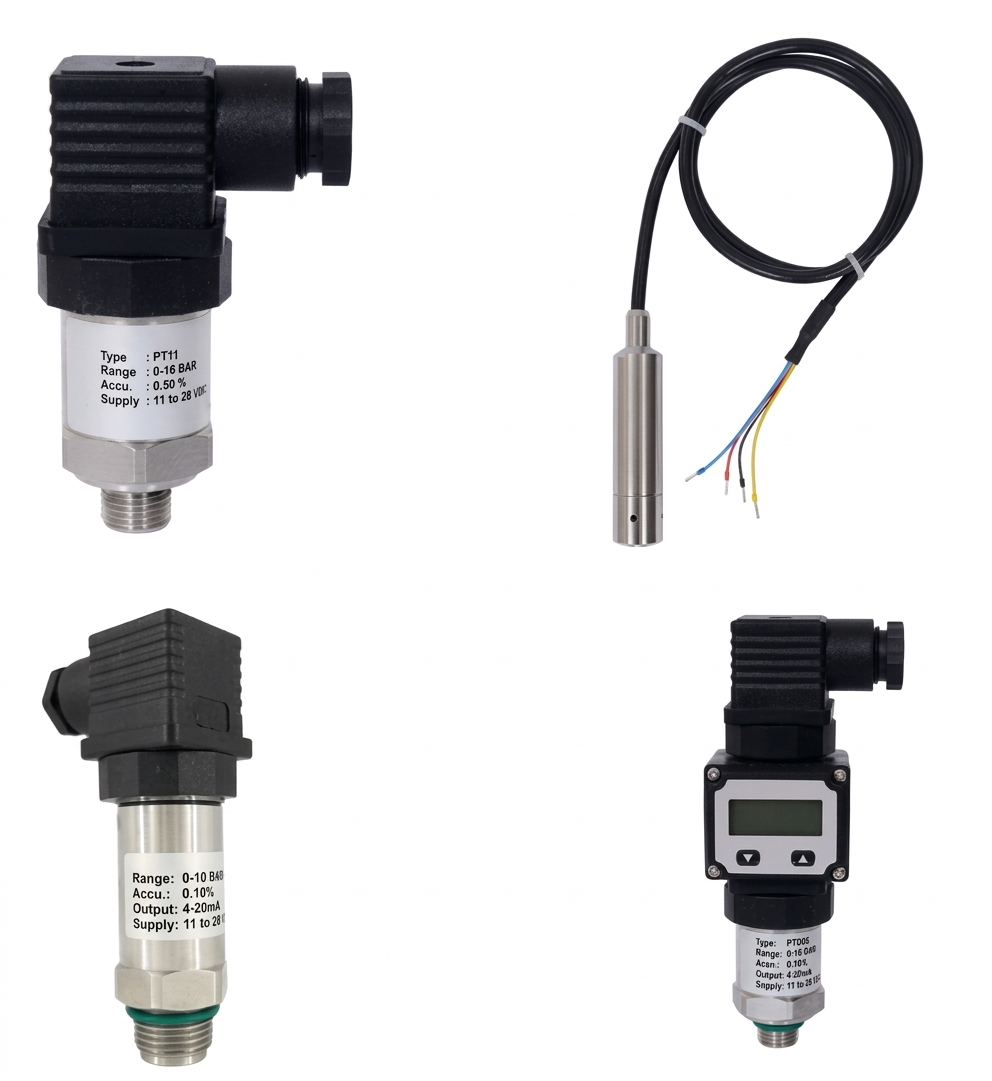
Unlike standard transmitters that use a flat diaphragm, these utilize a capsule made of two corrugated metal diaphragms welded together.
The Mechanism: When pressure is applied to the interior of the capsule, it expands. Because the surface area is effectively doubled (compared to a single diaphragm), the capsule provides a much larger mechanical displacement for a given amount of pressure.
Signal Conversion: This mechanical movement is typically converted into an electrical signal using an LVDT (Linear Variable Differential Transformer) or a capacitive sensor, then processed into a standard 4-20 mA or digital output (HART/Foundation Fieldbus).
High Sensitivity: Specifically engineered for Low Draft and Low Pressure measurements that would be "noise" to a standard heavy-duty sensor.
Accuracy: They maintain high linearity even at the bottom of their calibrated scale.
Adjustability: Most modern units offer high "turndown ratios," allowing you to narrow the measurement span significantly without losing precision.
| Industry | Application |
| HVAC / Cleanrooms | Monitoring room static pressure and filter blockage. |
| Power & Utilities | Measuring furnace draft pressure and flue gas flow. |
| Medical / Lab | Precise monitoring of vacuum or low-pressure gas lines. |
| Industrial Boilers | Air-to-fuel ratio control and combustion air pressure. |

Deals in Technical & Services - Boiler & Turbine Spares. -Steam valves , traps, fitting , Pneumatic Control Valves ( IBR & NON IBR) ESP Spares & Services Electrical / Instrumentation Spares , Mechanical Engineering & Equipment's instruments & Engineering .Consultancy"
© 2025 JSA ENGINEERING & SERVICES - All Rights Reserved | Developed by Anuj Yadav